September 25, 2026
Discover how a local towing company can provide essential assistance when your car breaks down, ensuring safety, efficiency, and peace of mind during an unexpected vehicle malfunction.
Navigating Roadside Emergencies Through Towing
A local towing company plays a pivotal role in maintaining traffic flow and ensuring driver safety when unexpected vehicle mechanical issues occur. When a vehicle suffers an engine failure, transmission breakdown, or structural damage, it immediately becomes a hazard to both its occupants and surrounding traffic. According to LookupAPlate, 189,000 vehicles break down every day in the United States, highlighting the critical demand for swift, reliable assistance. Towing operators act as primary responders on the roadways, relocating disabled vehicles safely away from active lanes and transporting them directly to residential locations or auto repair shops for diagnostic evaluations.
Beyond simple towing, roadside operators deliver comprehensive support services designed to address immediate mechanical issues directly at the breakdown scene. Minor disruptions such as depleted batteries, punctured tires, or locked doors often do not require a full tow to a repair facility. Professional technicians carry specialized equipment, such as commercial jump-starters, heavy-duty jacks, air compressors, and lockout kits, allowing them to resolve common automotive failures in minutes. By fixing these minor issues on-site, a local towing company helps drivers resume their journeys safely without incurring unnecessary repair costs or extended transit delays.
In addition to basic roadside fixes, towing operators manage complex vehicle recovery operations following severe off-road accidents or extreme weather conditions. Vehicles that have rolled into embankments, slid off icy roads, or stalled in standing water require precise winching and rigging to extract without causing additional structural damage. Operators are extensively trained in physics, weight distribution, and rigging safety to perform delicate recoveries efficiently. This diverse operational capability makes a local towing company an indispensable asset for comprehensive highway safety, emergency relief, and vehicular protection.
Comparing Common Towing Methods
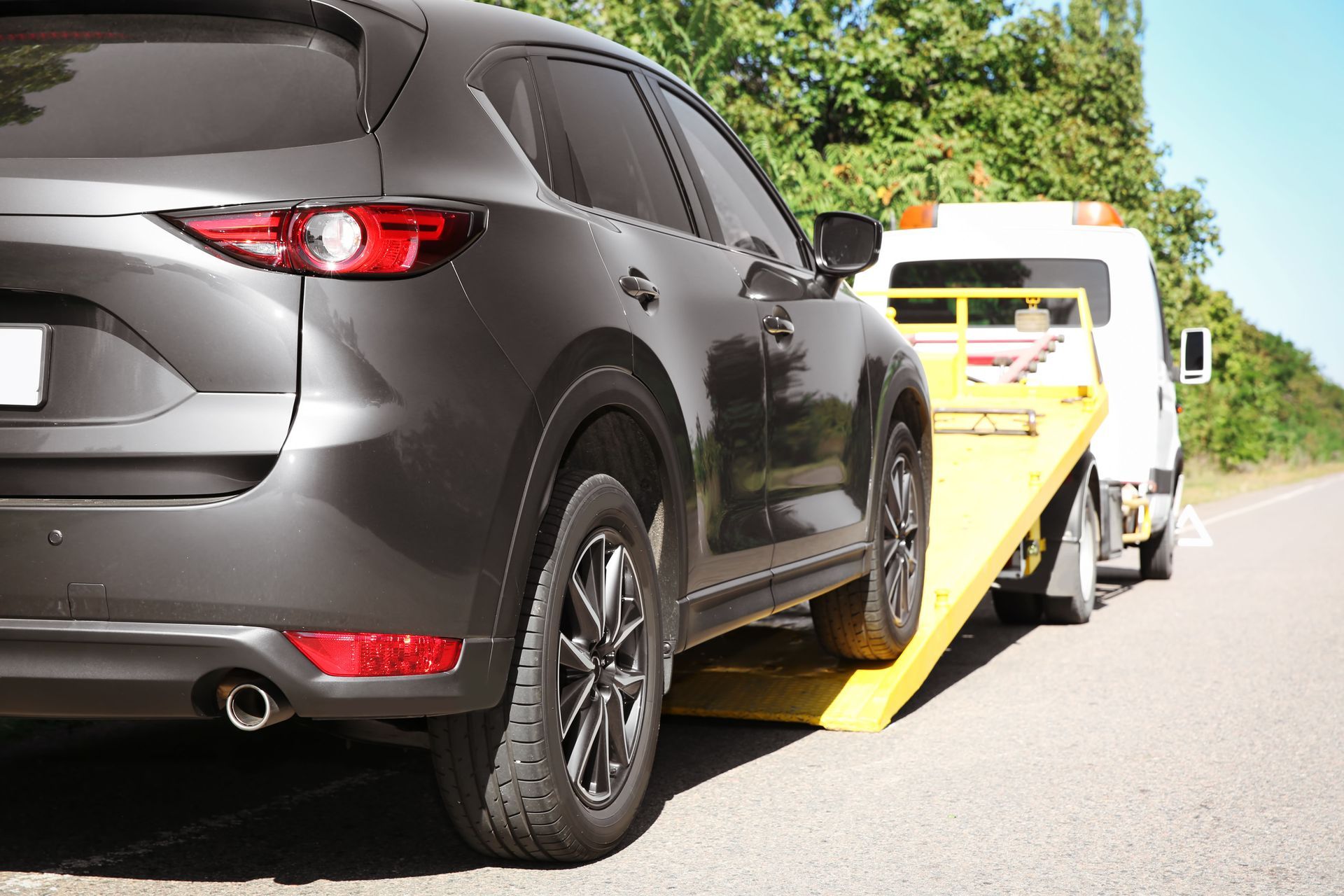
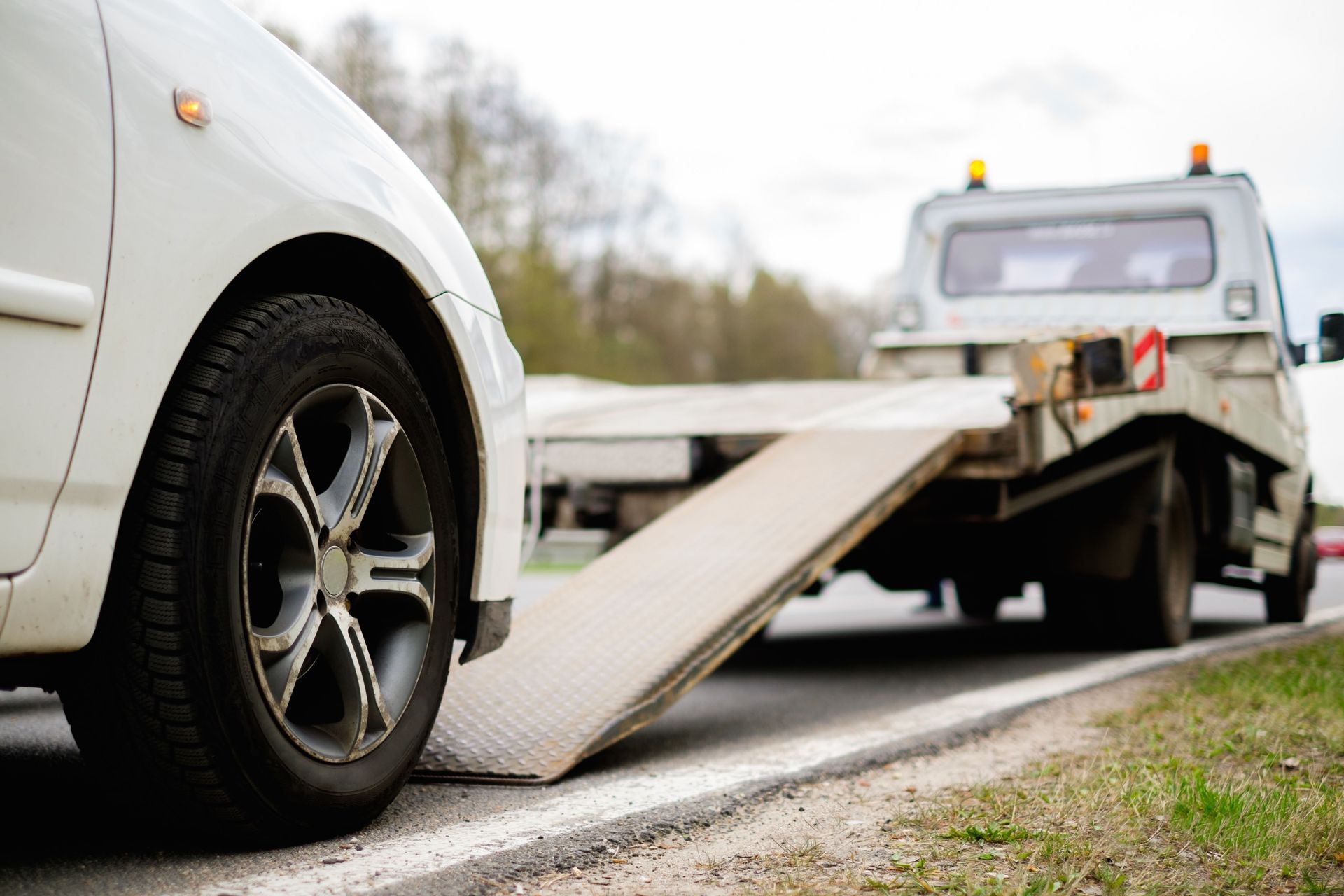
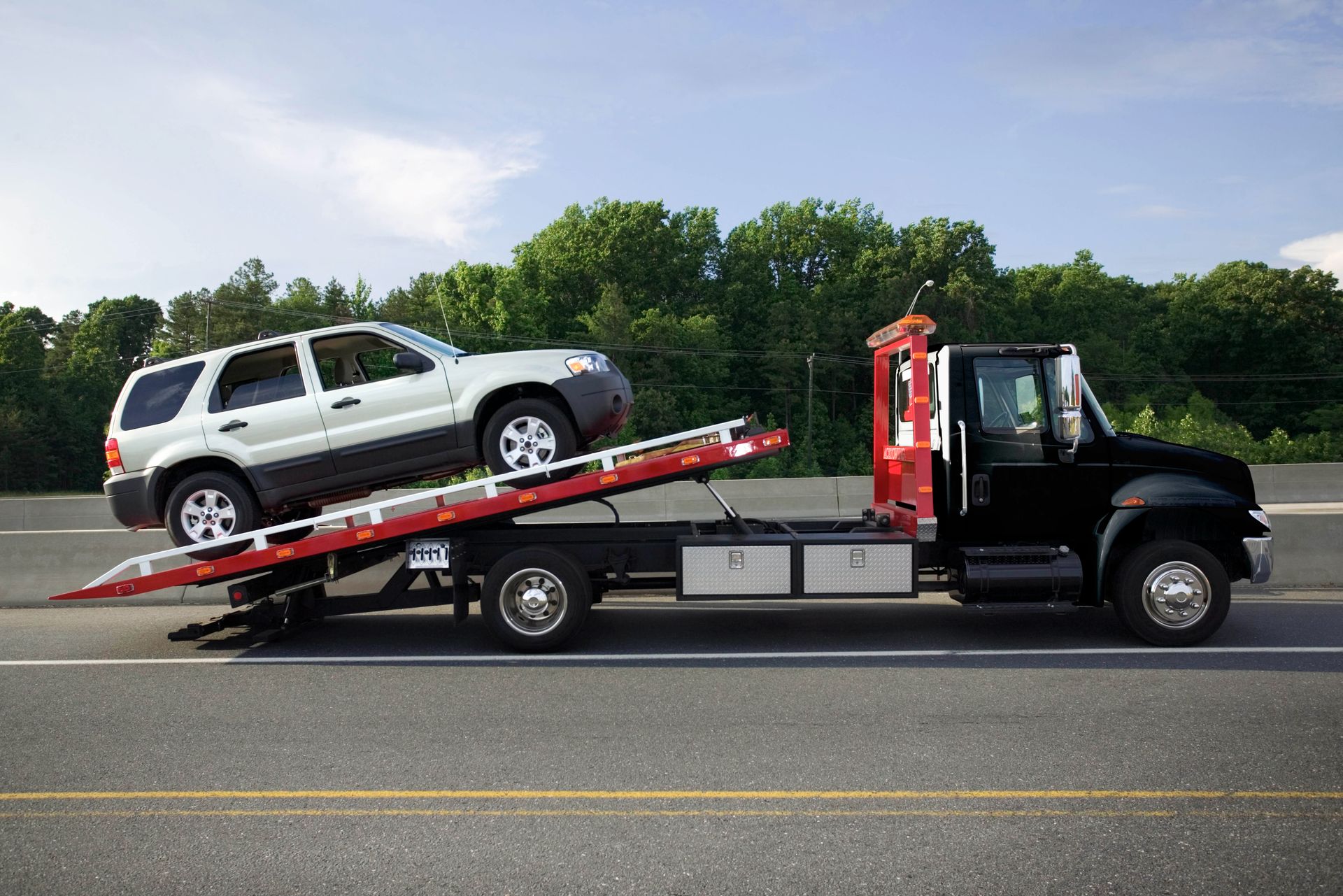
Flatbed towing represents the modern industry standard for safe vehicle transportation over short or long distances. This method utilizes a specialized truck equipped with a hydraulically inclining bed that lowers to ground level, allowing vehicles to be driven or winched directly onto the platform. Once aboard, all four wheels are secured using heavy-duty tie-down straps anchored to the bed frame. Because the towed vehicle remains entirely off the ground during transit, flatbed towing prevents unnecessary mechanical wear on tires, drive shafts, and transmissions, making it the ideal choice for luxury cars, sport utility vehicles, and all-wheel-drive configurations.
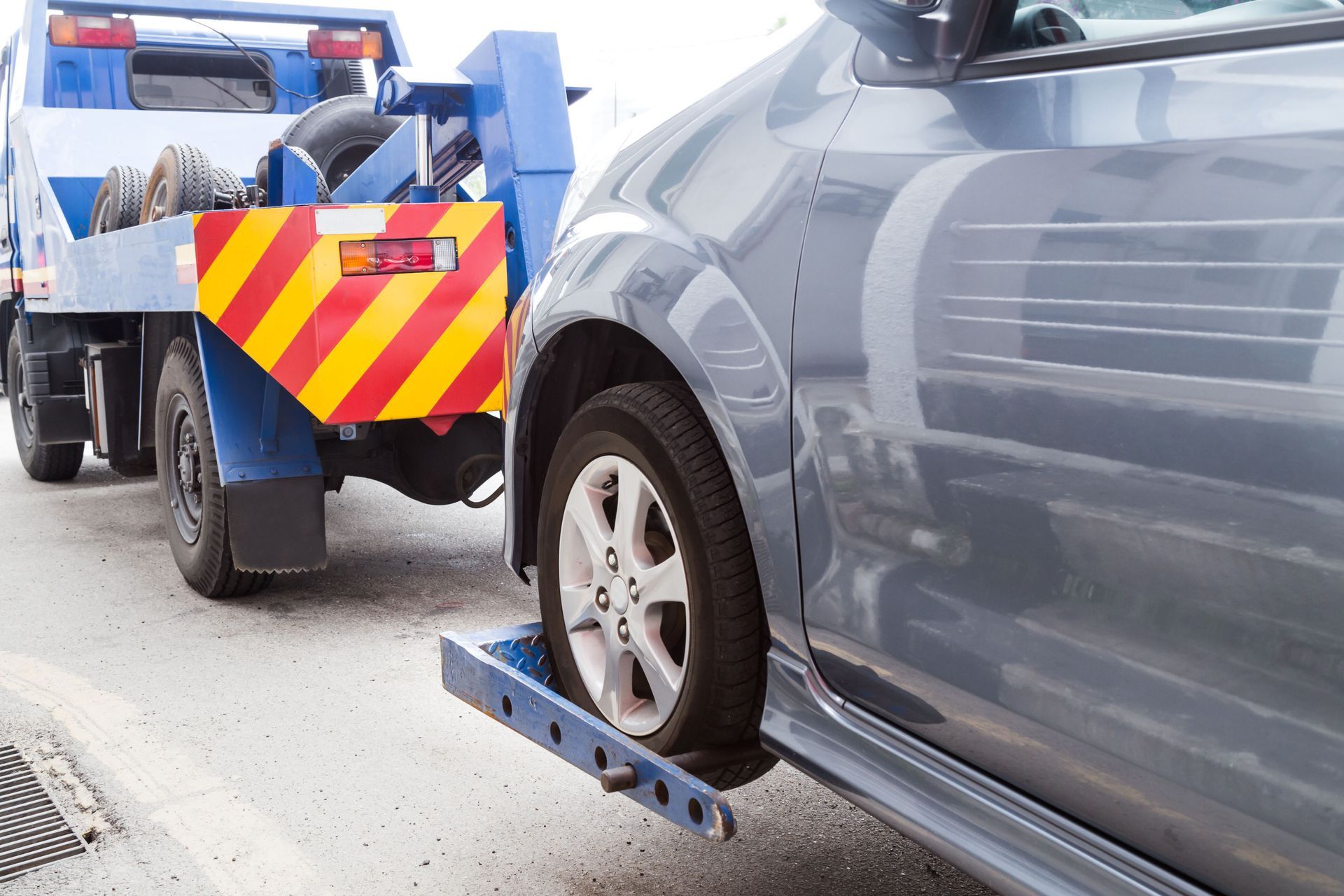
Wheel-lift towing offers a versatile and highly maneuverable alternative to flatbed trucks, especially in congested urban environments or tight parking facilities. Modern wheel-lift systems feature a metal yoke that slides underneath either the front or rear tires of the disabled vehicle. Hydraulics then elevate two wheels off the ground while the remaining two roll behind the tow truck during transport. Because the metal frame contacts only the tires rather than the vehicle's bodywork or bumper, wheel-lift towing significantly minimizes the risk of cosmetic damage while providing a quick, cost-effective transport option for standard front-wheel-drive or rear-wheel-drive passenger vehicles.
Hook and chain towing is an older, heavy-duty towing methodology that relies on steel chains wrapped around a vehicle's structural axle or frame. A hydraulic boom then lifts one end of the vehicle off the ground for transport. While exceptionally strong and effective for pulling vehicles out of deep mud or dense terrain, the direct steel-to-frame contact carries a high risk of scratching paint, bending suspension components, or damaging bumpers. Consequently, professional operators reserve hook and chain towing almost exclusively for heavily damaged vehicles heading directly to salvage yards or for heavy commercial machinery recovery operations.
Selecting a Local Provider
Opting for a local towing company provides distinct operational advantages over calling distant regional call centers or national dispatch services. Local operators possess intimate, first-hand knowledge of regional road networks, traffic bottlenecks, and active construction zones. This spatial awareness allows dispatchers to select optimal routes and deploy nearby drivers rapidly, drastically cutting down customer wait times on busy highways. Furthermore, locally owned businesses thrive on community reputation and positive word-of-mouth recommendations, driving their staff to deliver higher levels of customer care, professionalism, and operational transparency.
Establishing a relationship with a local towing company also streamlines the post-breakdown vehicle repair process. Independent towing providers routinely collaborate with nearby auto repair shops, body centers, tire stores, and dealership service centers. When a breakdown occurs, a local driver can recommend reputable facilities in the immediate area and transport the vehicle directly to a technician trusted by the community. This integrated network helps vehicle owners avoid long storage delays, unnecessary secondary towing charges, and unreliable mechanics during stressful situations.
Understanding how towing costs are calculated helps vehicle owners make informed financial decisions during roadside emergencies. Towing fees generally consist of a base hooking fee combined with a per-mile charge calculated from the pickup point to the final destination. Specialized equipment requirements, such as heavy winching, flatbed utilization, or dolly deployment, can influence the overall price. However, many drivers offset these expenses by utilizing commercial roadside assistance plans, auto club memberships, or comprehensive vehicle insurance coverages that reimburse roadside service calls.
Executing Immediate Assistance Protocols
The success of a roadside recovery operation relies heavily on clear, accurate communication between the motorist and the towing dispatch team. When contacting a local towing company, drivers should remain inside their vehicles with seatbelts fastened if stopped near active traffic lanes. Providing clear geographical information, such as street names, highway exit numbers, mile markers, or nearby commercial landmarks, enables dispatchers to pinpoint the precise location. Modern towing firms also utilize GPS location-sharing links sent via text message, allowing stranded drivers to drop a direct location pin to incoming tow trucks.
Upon arriving at the scene, tow operators execute strict safety and diagnostic protocols to protect the driver, the vehicle, and passing traffic. Technicians deploy high-visibility emergency lighting, traffic cones, and warning flares to establish a secure work zone around the disabled car. Before attaching any towing apparatus, the operator conducts a thorough visual inspection to check for fluid leaks, compromised steering systems, or structural damage. This preliminary assessment determines whether the vehicle can be safely towed via wheel-lift or requires complete elevation on a flatbed trailer.
Professional towing personnel prioritize personal safety and security throughout the entire service process. Reputable towing companies conduct rigorous background checks, drug screenings, and ongoing safety training programs for all operational staff. Tow trucks are equipped with advanced tracking technologies and digital communication tools, allowing dispatch teams to monitor real-time vehicle transport status continuously. This high level of professional oversight offers drivers total confidence, knowing that both their personal safety and valuable automotive property are protected by trained specialists.
Summarizing Roadside Support
A reliable local towing company serves as an essential safety net for motorists navigating the unpredictable challenges of daily driving. Whether responding to routine flat tires, battery failures, or complex collision recoveries, professional tow operators deliver prompt, specialized assistance that keeps public roadways clear and drivers safe. Their regional expertise, specialized equipment options, and commitment to customer service make them indispensable partners during vehicular breakdowns. Knowing who to call when a mechanical failure occurs ensures a fast, stress-free resolution to any roadside emergency. For more information about the services that we offer, reach out to our incredible team at Red's Towing & Recovery, Inc today!